
-
-
Barrington’s Most Trusted Plumbing Company
Professional Toilet Repair & Installation in Barrington, NH
Expert toilet repair services, including toilet replacement and running toilet repair, ensure your bathroom fixtures work efficiently and reliably.
A malfunctioning toilet disrupts your entire household. Whether you’re dealing with a toilet that won’t stop running, won’t flush properly, keeps clogging, or needs complete replacement, professional toilet repair and installation services restore functionality quickly and prevent water waste.
Serving Barrington, Rochester, Dover, and the Seacoast region for over 15 years, we handle every type of toilet problem from simple adjustments and repairs to complete toilet replacement and installation. Our experienced plumbers diagnose toilet issues accurately and provide lasting solutions, whether repairing your existing toilet makes sense or replacement offers better value.
From fixing running toilets that waste hundreds of gallons monthly to installing modern high-efficiency toilets that reduce water usage significantly, we deliver professional toilet services that save water and money while ensuring reliable performance. Emergency toilet repairs available 24/7 for overflowing toilets and urgent situations.
Common Toilet Problems We Fix
Most toilet problems fall into several categories with identifiable causes and straightforward solutions when addressed by experienced plumbers.
Running Toilet Repair
A toilet that runs continuously wastes shocking amounts of water and drives up utility bills. Most homeowners underestimate the cost of ignoring running toilets.
How Much Water Running Toilets Waste:
A toilet running continuously can waste 200 gallons daily or 6,000 gallons monthly. At typical Barrington water rates, that’s $50 to $100 in wasted water monthly from a single running toilet. Over a year, one ignored running toilet wastes enough money to pay for professional repair dozens of times over.
Even toilets that run intermittently waste significant water. If your toilet runs for five minutes every hour, that’s still 50 gallons daily or 1,500 gallons monthly wasted. You might hear periodic running sounds, water trickling into the bowl, or hissing sounds indicating water flow.
What Causes Toilets to Run:
Worn Flapper Valves: The flapper creates a seal at the bottom of the tank, holding water until you flush. Rubber flappers deteriorate over time, warping and losing their seal. Water seeps past worn flappers constantly, trickling into the bowl while the fill valve runs continuously trying to maintain tank level. Flappers typically last 3 to 5 years before replacement becomes necessary.
Faulty Fill Valves: Fill valves control water entering the tank after flushing. When fill valves fail, they don’t shut off completely, allowing continuous water flow. You’ll hear constant hissing as water runs, and may see water overflowing into the overflow tube inside the tank.
Incorrect Float Adjustment: Float mechanisms signal fill valves when to shut off. If floats are adjusted too high, water overfills tanks and spills into overflow tubes continuously. Simple adjustment sometimes solves running toilet problems when other components function properly.
Chain Length Issues: The chain connecting the flush handle to the flapper must have proper slack. Too much slack prevents complete flapper lifting during flush, causing weak flushing. Too little slack prevents flappers from sealing completely after flushing, causing continuous running.
Corroded or Damaged Overflow Tubes: If overflow tubes develop cracks or deteriorate at bases where they seal to tanks, water leaks past seals even when fill valves shut off properly.
How We Fix Running Toilets:
Our systematic approach identifies the actual cause rather than guessing and replacing parts unnecessarily.
Diagnosis Process: We remove tank lids and observe internal mechanisms. We check flapper condition and sealing. We test fill valve operation and listen for continuous water flow. We verify float adjustment and water level. We examine all internal components for wear or damage.
Repair Solutions: For worn flappers, we install quality replacement flappers that seal properly and last years. We replace failing fill valves with reliable modern units. We adjust floats to proper levels when simple adjustment solves the problem. We replace damaged chains or adjust lengths for proper operation. We address any corrosion or damage affecting internal components.
Parts Quality Matters: Hardware store repair kits contain poor-quality components that fail quickly. We install professional-grade toilet parts designed for longevity and reliable performance. Using quality parts the first time prevents callbacks and repeated repair costs.
Toilet Won’t Flush Properly
Weak flushes, incomplete flushes, or toilets requiring multiple flushes indicate several possible problems.
Low Water Level in Tank: Toilets need adequate water volume for proper flushing force. If tank water level sits too low, insufficient water enters the bowl during flush, creating weak flushing. Adjusting float mechanisms to proper height often solves weak flush problems.
Clogged Rim Jets: Small holes around the toilet bowl rim direct water during flushes. Mineral deposits and bacteria buildup clog these jets over time, reducing water flow and flush effectiveness. Cleaning rim jets with wire and descaling solutions restores proper flow.
Partially Clogged Trapway: The curved passage within the toilet itself can develop partial clogs from accumulated waste, paper, or foreign objects. Unlike complete clogs that prevent all drainage, partial clogs allow slow drainage but reduce flush power. We use specialized toilet augers to clear trapways without damaging porcelain.
Flapper Closes Too Quickly: If flappers drop back into position before adequate water escapes from tanks, flushes are incomplete. Flapper chain adjustment or replacing flappers with models that stay open longer often solves this problem.
Vent System Issues: Toilet vents allow air to enter drain lines, enabling proper water flow. Blocked or inadequate vents create drainage problems including weak flushing and gurgling sounds. We inspect vent systems and clear blockages or address inadequate venting.
Toilet Clogs and Blockages
While occasional clogs from excessive paper or waste are normal, frequent clogging indicates underlying problems.
Chronic Clogging Causes:
First-Generation Low-Flow Toilets: Early low-flow toilets from the 1990s reduced water usage but often lacked adequate flushing power. These toilets clog frequently and require replacement with modern high-efficiency toilets that flush effectively with less water.
Partial Trapway Blockages: Foreign objects, excessive waste buildup, or mineral deposits create partial blockages that make toilets prone to clogging. Professional augering clears accumulated material and restores proper drainage.
Main Drain Line Problems: If your toilet clogs frequently and other drains also act sluggish, the problem likely exists in your main drain line rather than the toilet itself. Tree roots, collapsed pipes, or main line blockages prevent proper waste flow from all fixtures.
Improper Venting: Without adequate venting, toilets don’t flush properly and clog more easily. We assess vent systems and address deficiencies.
Foreign Objects: Homes with young children sometimes experience toilet problems from toys or other objects lodged in trapways. We remove foreign objects carefully without damaging toilets.
Toilet Leaks and Water Damage
Toilet leaks cause extensive water damage and require immediate attention.
Leaking from Tank to Bowl: Water seeping from tanks into bowls continuously wastes water similar to running toilets. While less obvious than running toilets with sound, tank-to-bowl leaks waste just as much water. Dye tablet testing reveals these hidden leaks. Worn flush valve gaskets usually cause this problem and require replacement.
Leaks at Base of Toilet: Water pooling around toilet bases indicates wax ring failures or cracked toilets. This is serious because water contains waste and bacteria, creating health hazards. Floor damage accelerates quickly when toilet base leaks continue. We identify leak sources and make appropriate repairs.
Cracked Tanks or Bowls: Porcelain cracks from impacts or stress sometimes develop in toilet tanks or bowls. Small cracks grow larger and eventually cause serious leaks. Cracked toilets require replacement as porcelain can’t be repaired reliably.
Sweating Toilets: Cold water in toilet tanks causes condensation on tank exteriors in humid conditions. While not leaks, sweating toilets create water damage that looks like leaks. Insulated toilet tanks or tank liners prevent condensation problems.
Weak or Slow Flush
Toilets that flush slowly or weakly fail to clear bowls properly.
Diagnosis: We check tank water levels to ensure adequate volume. We test flush valve and flapper operation timing. We examine rim jets for clogging. We check for partial trapway blockages. We assess vent system function.
Solutions: Adjusting water levels provides more flush volume when that’s the issue. Cleaning mineral deposits from rim jets improves water distribution. Augering clears partial clogs. Replacing old low-flow toilets with modern efficient models often provides the best long-term solution when toilets simply can’t generate adequate flush force.
Toilet Wobbles or Rocks
Toilets should sit firmly on floors without movement.
Causes of Wobbly Toilets: Floor damage from previous leaks creates uneven surfaces. Wax ring compression over time allows settling. Loose toilet bolts allow movement. Improperly shimmed toilets on uneven floors lack stability.
Why This Matters: Wobbling toilets break wax ring seals, causing leaks at bases. Movement stresses porcelain and can cause cracks. Unstable toilets become increasingly loose until major leaks develop.
Our Solutions: For minor settling, tightening closet bolts secures toilets properly. For damaged floors, we repair substrates before resetting toilets. We replace wax rings and reset toilets properly. We use proper shimming techniques on uneven floors to create stable mounting.
Professional Toilet Repair & Installation
Installing toilets correctly requires proper technique and attention to details that prevent future problems.
When to Replace Your Toilet
Age and Efficiency: Toilets manufactured before 1994 use 3.5 to 7 gallons per flush compared to modern toilets using 1.28 gallons. Replacing old toilets saves 25 gallons daily for a four-person household, reducing water bills significantly and paying for replacement costs through savings.
Frequent Repairs: When toilets require constant repairs, replacement becomes more economical than ongoing service calls. One new toilet costs less than multiple repair calls for failing components.
Cracks and Damage: Any cracks in porcelain require toilet replacement. Repairs aren’t possible, and cracks worsen until catastrophic failures occur.
Upgrade Motivations: Homeowners replace functioning toilets for better water efficiency, improved aesthetics, comfort height preferences, or features like soft-close seats and powerful flushing.
Toilet Types and Options
Modern toilets offer numerous options suiting different needs and preferences.
Two-Piece vs One-Piece Toilets:
Two-Piece Toilets: Separate tank and bowl sections connect during installation. These represent the most common and affordable option, with prices starting around $150 for basic models. Easier to transport and maneuver during installation. Cleaning requires more effort due to crevices between tank and bowl.
One-Piece Toilets: Tank and bowl manufactured as single unit. Sleeker appearance with no gap between components. Easier cleaning with fewer crevices. More expensive typically, starting around $300. Heavier and more difficult to install due to weight.
Water Usage Options:
Standard Efficiency (1.6 GPF): Use 1.6 gallons per flush, meeting federal standards but not the most efficient option available.
High-Efficiency Toilets (1.28 GPF): Reduce water usage 20 percent compared to standard toilets while maintaining strong flush performance. These represent the best balance of efficiency and effectiveness. Most new installations use high-efficiency toilets.
Dual-Flush Toilets: Offer two flush options: light flush for liquid waste (0.8 to 1.0 gallons) and full flush for solid waste (1.6 gallons). Maximize water savings for households committed to using appropriate flush settings. Slightly more expensive than single-flush models.
Height Considerations:
Standard Height: Bowl height around 15 inches from floor to seat top. Works well for children and shorter adults.
Comfort Height (ADA Compliant): Bowl height 17 to 19 inches, similar to chair height. Easier for most adults to use. Especially beneficial for elderly or those with mobility challenges. Now represents the most popular choice for new installations.
Special Features:
Elongated vs Round Bowls: Elongated bowls provide more sitting area and are generally more comfortable. Round bowls save space in small bathrooms. Elongated bowls have become standard in most installations.
Pressure-Assisted Toilets: Use pressurized air to enhance flushing power. Louder than gravity-flush toilets. Excellent for preventing clogs in heavy-use situations.
Gravity-Flush Toilets: Standard flushing mechanism using water weight for flushing. Quieter operation. Most common type for residential use.
Soft-Close Seats: Dampers prevent seats from slamming down. Quieter and more pleasant to use. Slight additional cost but worth it for most homeowners.
Bidet Features: Integrated bidet seats or bidet functionality built into toilets. Growing popularity in U.S. markets. Range from simple add-on seats to sophisticated heated and air-drying models.
Our Toilet Installation Process
Professional installation ensures proper function and prevents common problems.
Removal of Old Toilet: We shut off water supply and drain tank and bowl completely. We disconnect supply lines and unbolt old toilets. We carefully remove toilets to avoid damaging floors. We dispose of old toilets properly.
Floor and Flange Inspection: We examine toilet flanges for damage, ensuring they’re at correct height and securely attached. Damaged flanges require repair or replacement before installing new toilets. We inspect subflooring for water damage from previous leaks. We address any rot or structural issues discovered.
Setting New Toilet: We install new wax ring or wax-free seal appropriately. We carefully position toilets on flanges, ensuring proper alignment. We compress seals evenly by setting toilets with proper technique. We bolt toilets securely without over-tightening that cracks porcelain.
Leveling and Shimming: We verify toilets sit level in all directions. On uneven floors, we use proper shimming techniques to eliminate rocking while ensuring complete wax ring compression. We test stability before proceeding.
Connections and Assembly: We assemble tanks onto bowls for two-piece models. We install new supply lines with proper shutoff valves. We connect water supply and fill tanks. We adjust fill valves and flappers for proper operation.
Testing and Adjustment: We test flush multiple times, verifying complete bowl clearing and tank refilling. We check for leaks at all connections and at toilet bases. We adjust water levels for optimal performance. We test for wobbling or instability.
Finishing Details: We caulk around toilet bases leaving small gaps for leak detection. We install toilet seats if included. We clean installation area completely. We demonstrate proper operation and answer questions.
Toilet Repair vs Replacement Decision
Understanding when repair makes sense versus replacement saves money long-term.
Repair Makes Sense When:
Toilets are relatively new (less than 10 years old), repairs involve simple component replacement like flappers or fill valves, toilets function well aside from the specific problem, total repair costs are minimal (under $150), and toilets are already efficient modern models.
Replacement Makes Sense When:
Toilets are old and inefficient (pre-1994 models), multiple problems exist requiring extensive repairs, repair costs approach 50 percent of new toilet costs, frequent repairs have become necessary, efficiency upgrades would provide meaningful water savings, or comfort and features motivate upgrade.
We Provide Honest Recommendations: We’ll never push replacement when repairs make sense, but we’ll explain when replacement offers better value. Our goal is your satisfaction, not maximizing service costs.
Emergency Toilet Services
Some toilet problems demand immediate attention.
Emergency Situations:
Overflowing Toilets: Toilets overflowing onto floors create immediate water damage and health hazards. We respond quickly to stop overflow, clear blockages, and address underlying causes.
Sewage Backups Through Toilet: Sewage backing up into toilets from main line problems requires emergency service to prevent health hazards and extensive damage.
Complete Toilet Failures: When toilets become completely unusable from major cracks, catastrophic mechanical failures, or severe clogs, emergency replacement restores function quickly.
Call +1 603-751-6529 for 24/7 Emergency Toilet Service
Toilet Maintenance Tips
Proper maintenance prevents most toilet problems.
What to Flush: Only human waste and toilet paper should go down toilets. Never flush wipes (even “flushable” ones), feminine products, paper towels, cotton swabs, dental floss, or any solid objects. These materials cause clogs in toilets and drain lines.
Regular Cleaning: Clean toilets regularly including under rims where jets are located. Mineral deposit buildup reduces flush effectiveness. Use non-abrasive cleaners that won’t damage porcelain or internal components.
Periodic Inspection: Check tank components annually. Replace worn flappers before they cause running toilet problems. Verify stable toilet mounting and no leaks at bases.
Avoid Chemical Drop-In Tablets: Chlorine tablets placed in tanks damage rubber components, causing premature flapper and seal failures. Better to clean manually than shorten component life with harsh chemicals.
Commercial Toilet Services
We also serve commercial properties requiring different toilet solutions.
Commercial Toilet Needs: High-traffic commercial bathrooms require durable commercial-grade toilets, ADA-compliant installations, and often flushometer (valve) systems rather than tank toilets. We install and service all commercial toilet types and handle multi-stall bathroom projects.
Service Area
We provide toilet repair and installation services throughout Barrington NH, Rochester NH, Dover NH, Durham NH, Lee NH, Nottingham NH, Strafford NH, and surrounding Seacoast communities.
Schedule Your Toilet Service Today
Running Toilets Waste Money Daily
Frequent Clogs Indicate Real Problems
Old Inefficient Toilets Cost You Unnecessarily
Professional toilet repair and installation solves problems permanently and saves water and money long-term
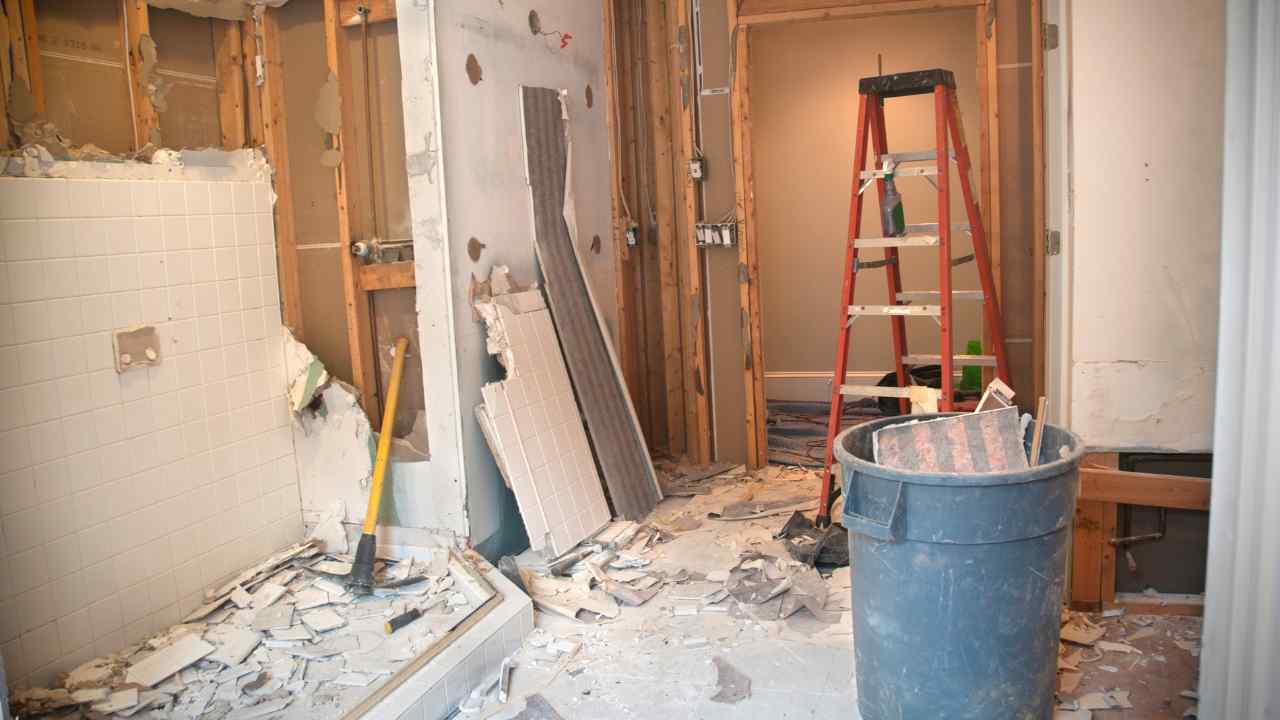
Transform your outdated bathroom into a space you’ll love for years to come.